
Overland Park, KansasFamily law · Overland Park, Kansas
dark situations.
Divorce, custody and support across Johnson County and into Missouri. The first conversation is confidential, and it is a conversation, not a pitch.
- Since 1995
- Firm established
- KS & MO
- Licensed in both
Affiliations and recognition
Start here
The questions people ask at 2am.
Every one of these has a real answer under Kansas law. Read it before you call, or call and we will walk you through it.
Same-day callback before 3pm
- Can I move out before I file?Moving out and what it does to your case
- What happens to the house?How Kansas divides the family home
- Can my child choose where to live?What weight a child's preference carries
- How long is this going to take?The 60-day floor, and what makes it longer
- What is this going to cost?What drives the cost of a Kansas divorce
- Are they hiding money?Where undisclosed income turns up
Typical Kansas divorce timeline
Kansas makes you wait sixty days. Here is what fills them.
The waiting period is the floor, not the forecast. An uncontested case can finish on day sixty; a contested one is only getting started. The dates in between are what a typical case looks like, not a schedule anyone can promise you.
Day 00
Petition filed
The clock starts. Temporary orders for support, the house and parenting time can be requested the same week.
How filing worksAround day 14
Temporary orders
Who lives where, who pays what, and the parenting schedule that holds while the case runs.
Temporary orders explainedAround day 35
Disclosure and valuation
Accounts, retirement, the house, the business. Where hidden income surfaces, it surfaces here.
When income is hiddenDay 60
Earliest final decree
An uncontested case can finalize now. A contested one keeps running, and knowing which you are in is most of the anxiety.
Contested or uncontestedWhat we handle
Nine ways a Kansas family case goes.
Most cases are more than one of these at once. Start anywhere; the first conversation covers all of it.
- DivorceDivorce5 guides
Kansas is a no-fault state with a 60-day waiting period. What happens inside those 60 days decides the next ten years.
- Child CustodyChild Custody2 guides
Kansas courts weigh a number of factors, the best interests of the child among them. We build plans that hold up in Johnson County.
- Child SupportChild Support1 guide
Kansas runs support off a worksheet. Knowing how the numbers are built is how you get them right.
- Child RelocationChild Relocation1 guide
Kansas requires 30 days' written notice before a move. Missing that step can cost you parenting time.
- Parenting Plan ModificationsParenting Plan Modifications1 guide
Orders are written for the family you were. When circumstances change materially, the plan can change with them.
- Spousal SupportSpousal Support1 guide
Kansas maintenance is discretionary and capped at 121 months per order. Framing matters more than formula.
- AdoptionAdoption1 guide
Stepparent, agency, or independent. The paperwork is unforgiving and the hearing is the happiest day of the year.
- GuardianshipGuardianship1 guide
When someone cannot make decisions for themselves, Kansas courts appoint a person who can.
- PaternityPaternity1 guide
Establishing paternity is the gate. Custody, parenting time and support all sit behind it.










The first meeting
Every one of these starts in the same room, with someone telling us what happened.
No forms to fill in first, no documents to gather, no decisions to have made. You talk, we tell you what Kansas law actually does with it, and you leave knowing what the next thirty days look like.
Request that conversationWhy people call here
The eight things people actually want to know before they pick up the phone.
01
Confidential from the first call
Nothing you say in a consultation leaves the room, including the fact that you called. Most people phone before they have told anyone else.
02
Same-day callback
Call before 3pm on a weekday and you hear back that day. Waiting a week for a returned call is its own kind of damage.
03
Five attorneys, one subject
Family law is the only thing this firm does. Your case is never the one squeezed in between a closing and a will.
04
Johnson County, specifically
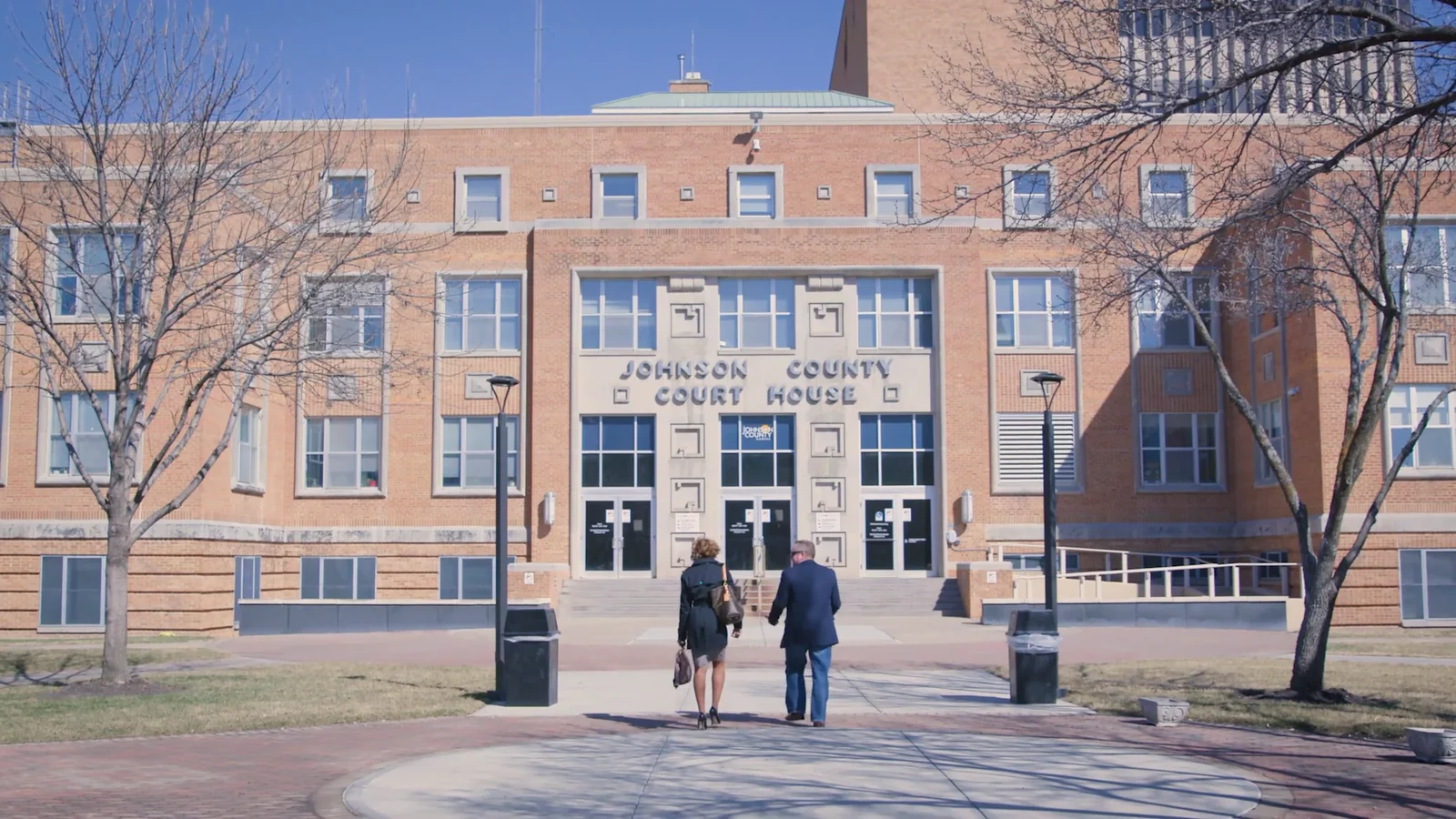
Statutes are statewide; scheduling norms and evidence habits are local. Most of these cases are filed at the District Court in Olathe, and we are there most weeks.
05
Licensed in Kansas and Missouri
The state line runs through this metro. If your marriage, your job and your children sit on different sides of it, that is not a complication here.
06
Guardian ad Litem experience
Christi is regularly appointed to represent the best interests of children, which is one of the factors the judge weighs in your case too.
07
You will understand the fees
How billing works, what drives cost up, and what you can do to keep it down, explained before you leave the first meeting.
08
Established in 1995
Three decades of family law under one roof. The judges and the opposing counsel are not strangers to this firm.
In her own words
“Children and their well-being is important to me.”
I often work as a Guardian ad Litem representing the best interest of children as well. I am a Christian attorney, which some would say is an oxymoron, but I love showing people what it really means to be a follower of Christ.
The people
The Bright Family Law Center is a firm of five attorneys. Big enough that your case does not stall when someone is in trial, small enough that you are never passed from one associate to the next.
 Christi BrightSenior AttorneyA 1995 KU Law School alumna, licensed to practice in both Kansas and Missouri. Christi devotes her practice to honesty, dedication, and the kind of passionate representation that is not often seen in the legal profession.
 Michael BrightDirector of Business DevelopmentWhile the attorneys build your legal case, Michael coordinates the practical side of it: the real estate, the documents and the financial organization that dividing assets depends on. He comes to it from real estate finance, strategic planning and business consulting.

Jesus Christ is Lord
Google reviews
What clients say
Haeli was absolutely amazing! I have been going through a horrible custody battle for the last easily 10 years! I have had multiple lawyers and Haeli came it handled it the most efficiently, and effectively! She 100% did what was in the best interest of my daughter she asked what I wanted but ultimately what my daughter wanted. She was friendly, kind, it wasn't just money for her! We were people that she cared about and wanted the best possible out come for.…
Bridgette Samborski Chavez
June 2026 · on Google
This is a pretty amazing team! Without exception, I was treated with the utmost respect and kindness. I have so much confidence in their knowledge and competency, I never worried. They conduct their business with integrity and genuine caring for their clients. Thank you for making an unhappy situation a little less unhappy!
Deana Norton
April 2026 · on Google
Never had use them, but heard WONDERFUL things about them. With Great result!!!
V Wingate
July 2026 · on Google
Where we practice
Johnson County, and both sides of the state line.
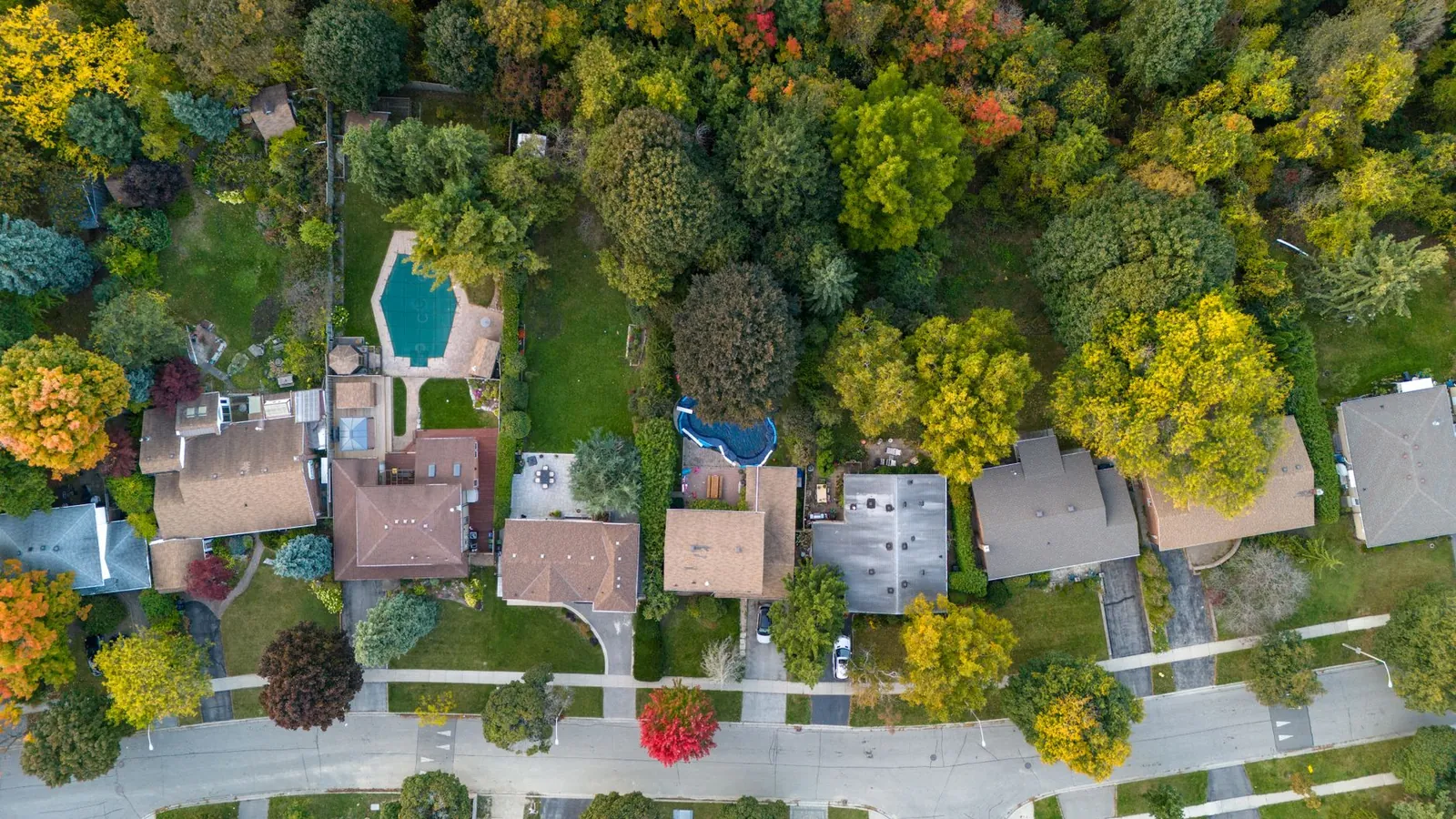
The firm keeps one office, on Metcalf Avenue in Overland Park. These are the courts it appears in: Johnson County cases file in Olathe, Kansas City cases in Wyandotte or Jackson County.
Johnson County
Overland Park
The firm's office is here, on Metcalf Avenue.
Johnson County
Leawood
Higher asset bases, closely held businesses.
Johnson County
Shawnee
Filed in Olathe, same district court.
Johnson County
Stilwell
Land and acreage questions come up often.
Johnson County
Mission Hills
Complex estates, privacy is usually the priority.
Jackson County
Kansas City
Kansas City, Missouri. Filed under Missouri law in Jackson County.
Recent writing
Kansas family law, explained without the fog.






Next step
Tell us what is happening.
One conversation, no obligation, and nothing leaves the room. Most people call before they have told anyone else, which is exactly the right time.
Or simply call
(913) 239-9966- Confidential
- Including the fact that you called.
- Same-day callback
- Weekdays, if you reach us before 3pm.
- Clear on fees
- How billing works, before you leave.
Speak to someone at the firm about your situation in Overland Park, anywhere in Johnson County, or across the line in Missouri.
(913) 239-996614221 Metcalf Ave. Suite 210
Overland Park, KS 66223
Monday to Friday, 8:00 AM to 5:00 PM